River Eden Kent & Surrey
Water Quality
Returning To The River We Remember
In the mid-1990s, the River Eden ran clear. You could see the gravel bed beneath the surface. An abundance of small fish darted through the water. Kingfishers flashed along the banks. Water crowfoot flourished in the flowing, clean water, and we counted eight species of damselfly.
Today, much of that life has disappeared. The water level is much lower and now cloudy, often choked with algae and slime. The small fish and crowfoot plants are gone. Wildlife has declined, and only 3 species of damselfly remain in dwindling numbers.
What changed was not sudden but gradual, wholly due to a steady decline in water quality over decades.
Our project began to address the obvious devastation with a simple goal: to understand what is happening to the river and to help restore it.

Multiple Causes & Pollutants
The Environment Agency currently rates the River Eden ecologically poor. Pollution from multiple sources affects the river along its journey through Surrey and Kent.
The causes of pollution include:
-
Treated discharges from FIVE wastewater treatment works
-
Runoff from agricultural land
-
Poorly maintained and leaking residential/privately owned septic tanks and cesspits
-
Occasional overflows – often after heavy rainfall – from sewage pumping stations
Together, these pressures add nutrients and contaminants to the detriment of the river’s natural balance.
The River Eden Catchment

THE RIVER EDEN
TRIBUTARIES
The River Eden rises near the North Downs and flows through towns including Oxted, Lingfield and Edenbridge before joining the River Medway.
The catchment covers a large area of around 230 km², mostly rural land shaped by clay geology. This influences how water moves through the landscape and how pollutants are carried into the river.
What We're Looking For
We currently focus on three key indicators of water quality:
-
Nitrates – often from agriculture and wastewater
-
Phosphates – commonly linked to wastewater treatment
-
Ammonia – from farm runoff and untreated sewage
These substances fuel a process called eutrophication. In simple terms, the river becomes overwhelmed by certain nutrients, leading to algal blooms, oxygen depletion, and catastrophic loss of aquatic life.
Where We Collect Samples
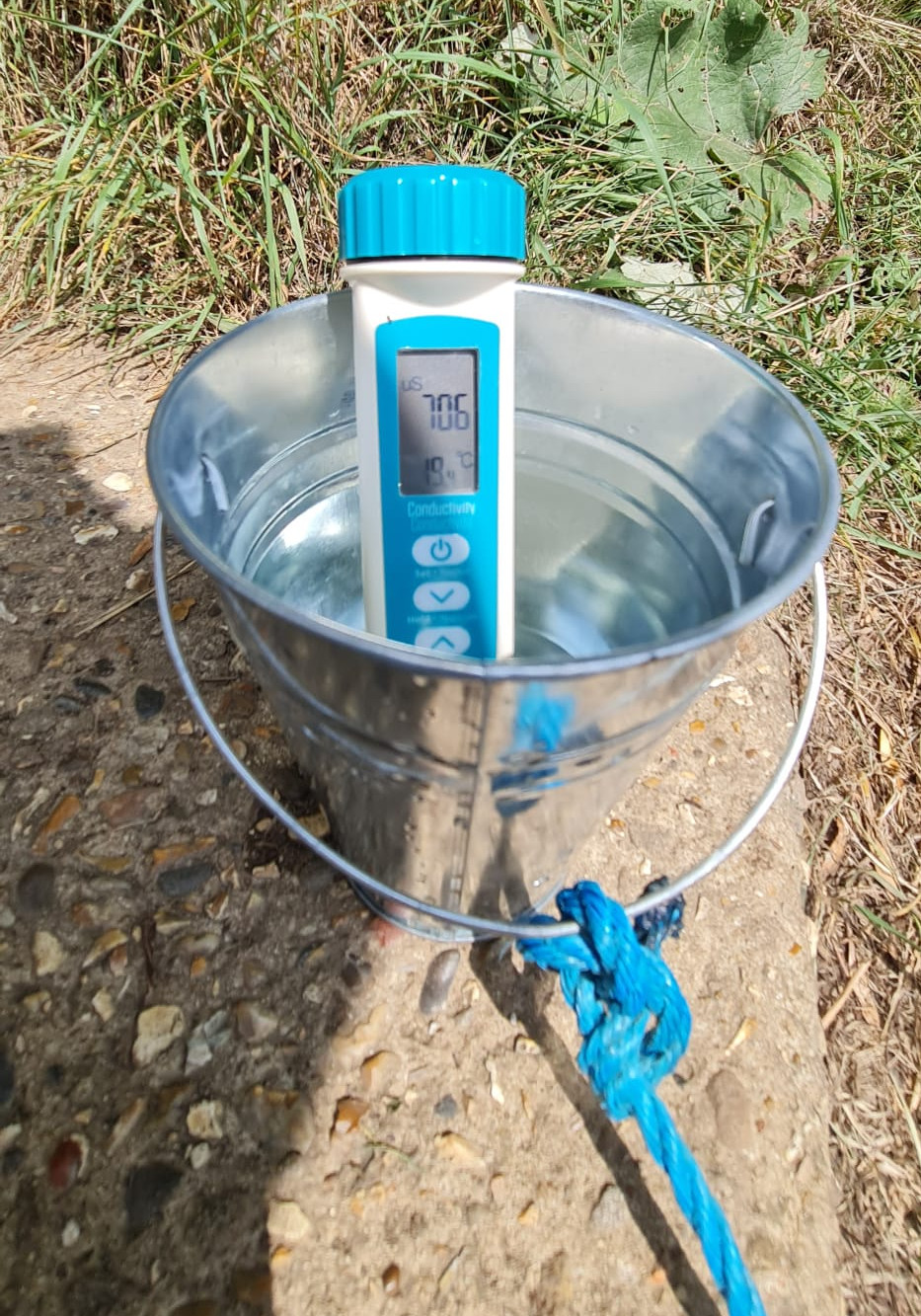
Our volunteers collect water samples from 22 locations across the catchment.
We track the river from its headwaters through tributaries and key points:
-
Above and below wastewater treatment works
-
Where streams converge
-
Through Edenbridge and beyond
This gives us a clear picture of how water quality changes along the river.
READ OUR 2025 WATER QUALITY REPORT HERE

Our Current Findings
Our results show a consistent pattern:
-
82% of sites exceed phosphate levels needed for a healthy river
-
30% show high nitrate levels, in some cases far above safe thresholds
-
Water quality is noticeably affected downstream of treatment works
-
E. coli levels can spike significantly after rainfall and sewage discharge
-
Pollution follows seasonal patterns, with peaks linked to farming activity
These findings help build evidence, raise awareness, and support taking action!
Powered By Local Citizen Scientists
This project is run by local volunteers. Around 65 hours each month are given to sampling, testing and coordination. Essentially, the large water and environmental organisations do not have this insightful data, and our dedicated Citizen Scientist task force can provide it.
It is careful, hands-on work. And the good news is that we are making a real difference! The more data we provide, the more we can identify and locate the root source of the problems.
READ OUR FULL QUALITY TESTING REPORT HERE
↓ If you'd like to know more about volunteering as a FREE Citizen Scientist, press the button! ↓
Reasons To Be Hopeful
There is still a way to go, but understanding the problems is the first step towards solving them.
By working together with communities, councils and environmental bodies, we can begin to improve the health of the River Eden.
Small actions, repeated across a catchment, lead to significant change!
Support And Partnerships
This project is a collaboration between local organisations and community groups, supported by councils including Kent County Council, Oxted Parish Council and Edenbridge Town Council.
Their support helps expand testing, improve data, and strengthen the case for a cleaner river.
Your River Needs YOU
Join us! FREE's essential environmental work is for the very future of our local waterways, and we can't do it alone.
Join us for walks and talks, glove-and-wellie habitat restoration, administrative tasks, water quality testing, or even marching on Parliament! Read more about volunteering